

02 — DEINHANDY.de
DEINHANDY
Team 0 → 8 · Company 7 → 120
Built design from the ground up: developed the team, processes and system, and helped shape the product from catalogue to checkout.
Atmosphere for the case. Product screens follow below.
- Role
- Head of Design
- Timeline
- 2015 — 2019
- Duration
- Almost 5 years
- Team
- 0 → 8 designers
- Platform
- Web · shop, checkout, internal tools
7 → 120
People during my tenure
0 → 8
Designers on the team
5
Years as Head of Design
Context
Employee no. 7.
In 2015 DEINHANDY.de was a young telecoms start-up. There was no design team, no standards, no research culture. Within a few years the company grew from 7 to more than 120 people. Design had to do both: ship, and become a function that would survive the growth.
Problem
Design with no foundation, under time pressure.
- 01
No system, no language
Everyone designed somehow. No tokens, no critique, no shared quality.
- 02
Growth eats structure
The business wanted screens yesterday. At the same time something had to be built that would still hold in a year.
- 03
Pixel service instead of partnership
Design did not sit at the table where the product was decided. That role had to be earned.
What we did not build
Ship and foundation — both, without sacrificing either.
- 01
No system-first freeze
We did not finish the design system first and then the product. Both under growth, or the system would have stayed the second meeting.
- 02
Partnership, not pixel service
Design sits at the product table. Screens still shipped — but not as a service without a voice.
- 03
Culture before administration
Rituals that run without me. No process theatre that only holds while I am in the room.
Role
From a solo act to a design function.
I set up hiring, built onboarding and a feedback culture, introduced a design system, and brought design into the rooms that mattered. In parallel I stayed in the product: shop, checkout, internal tools, brand.
- Team 0 → 8: hiring, onboarding, weekly crits
- Design system: tokens, components, documentation
- Research framework and sprints with product & engineering
- Shop, checkout, service tools, brand presence
Process
Build structure while the product is running.
- 01
Ship
Credibility first, through product work. Without that, no mandate for culture.
- 02
People
Hiring profile, interviews, onboarding. A team that can take critique and own the work.
- 03
System
Tokens and patterns before the surface sprawls. Documentation engineering actually uses.
- 04
Room
Bring design into rituals and forums. Not as a presentation — as a decision.
Insight
Leadership is product work by other means.
A team without a system scales chaos. A system without a team is a library nobody opens.
The real job was not to design more beautifully. It was to build the conditions under which good work can be repeated — at the pace a hyper-growth company allows.
Solution
Function, system, product — never strictly in that order.
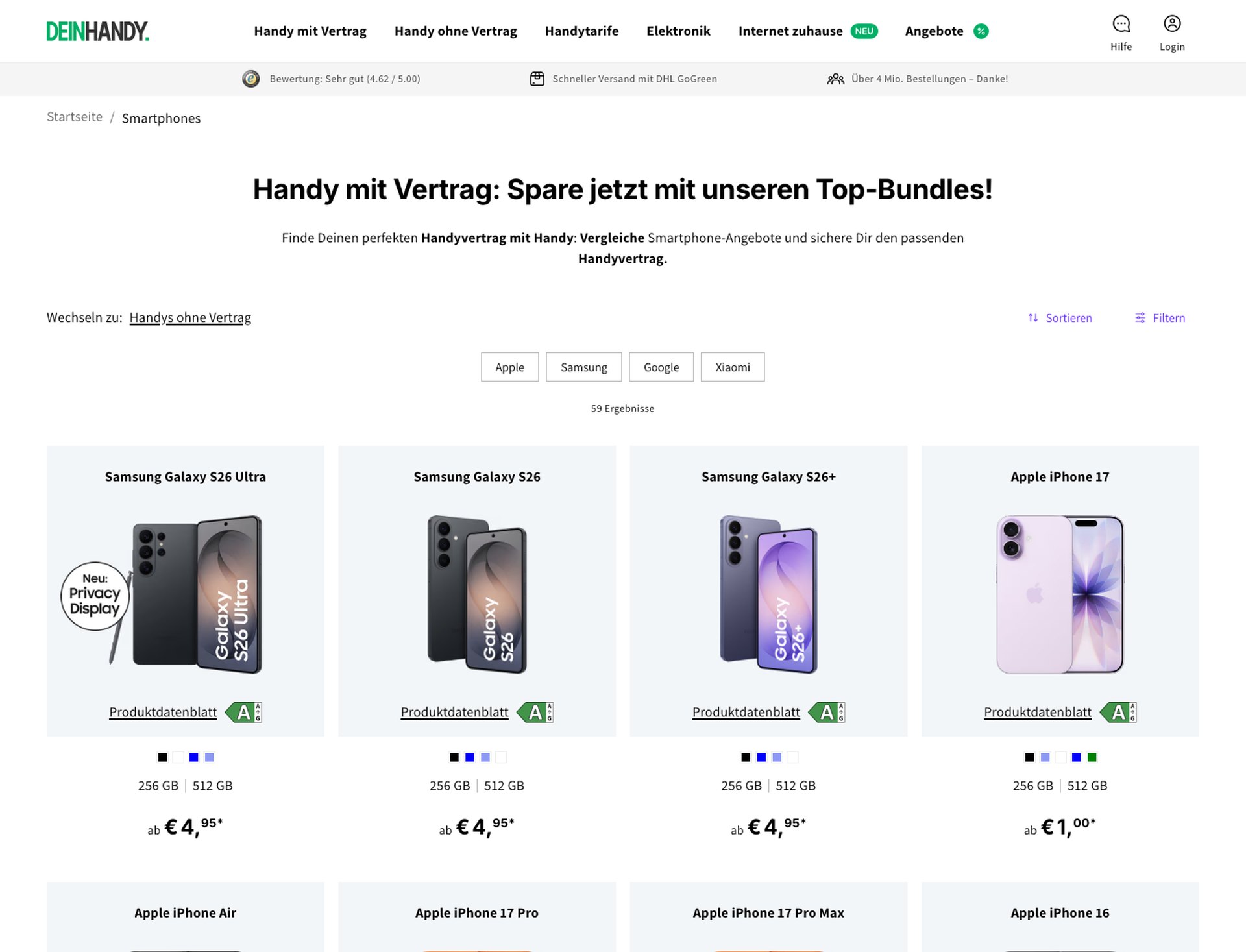
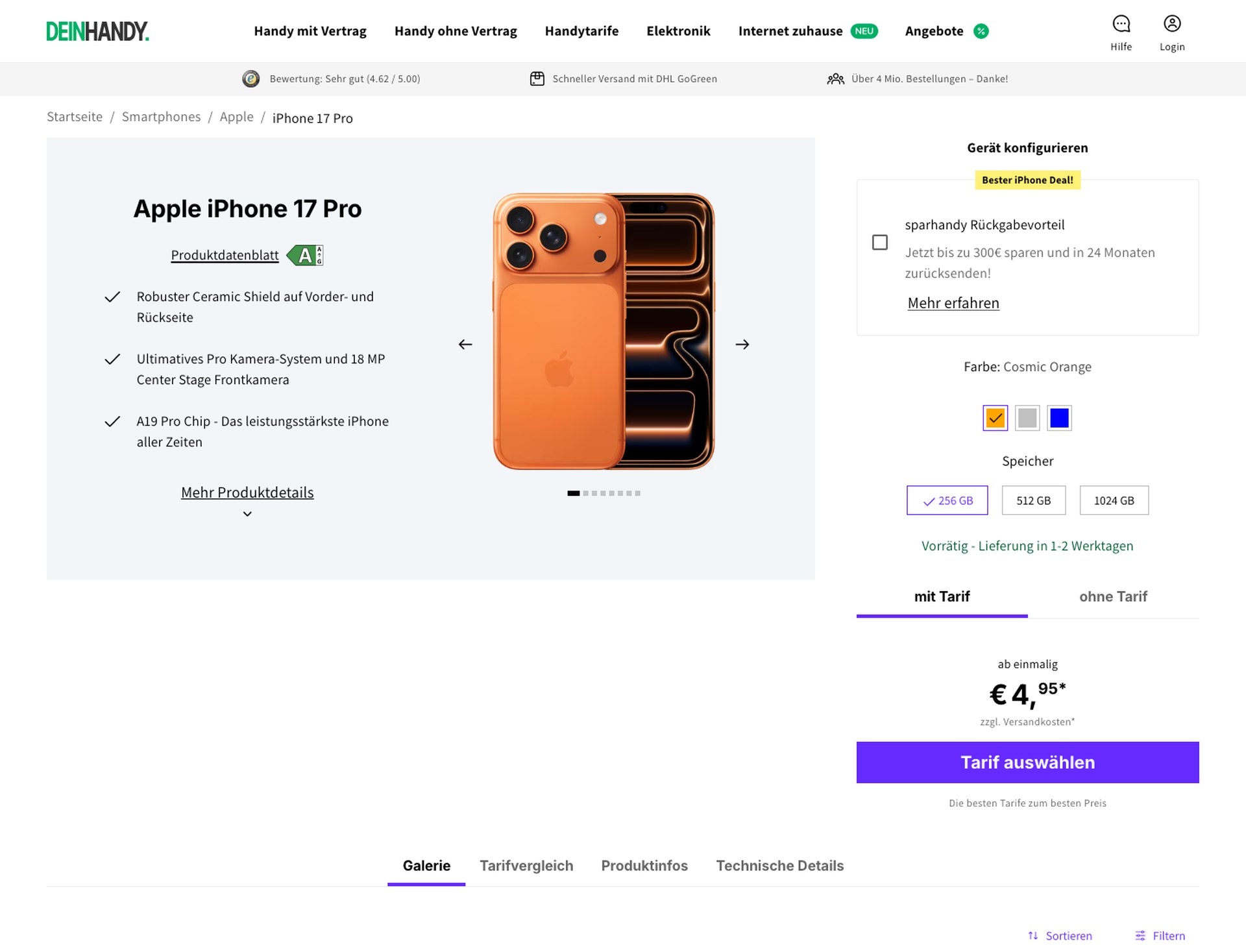
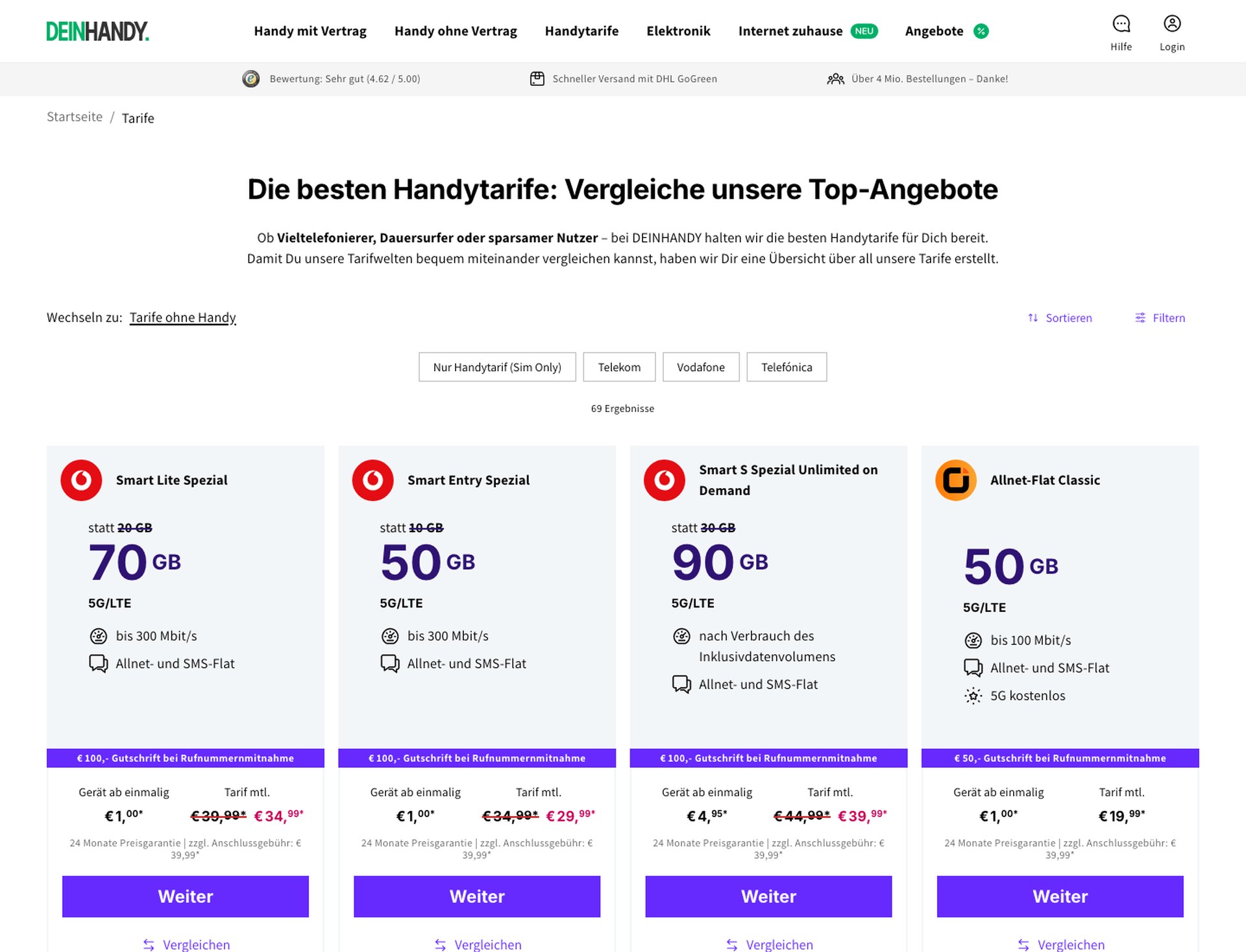
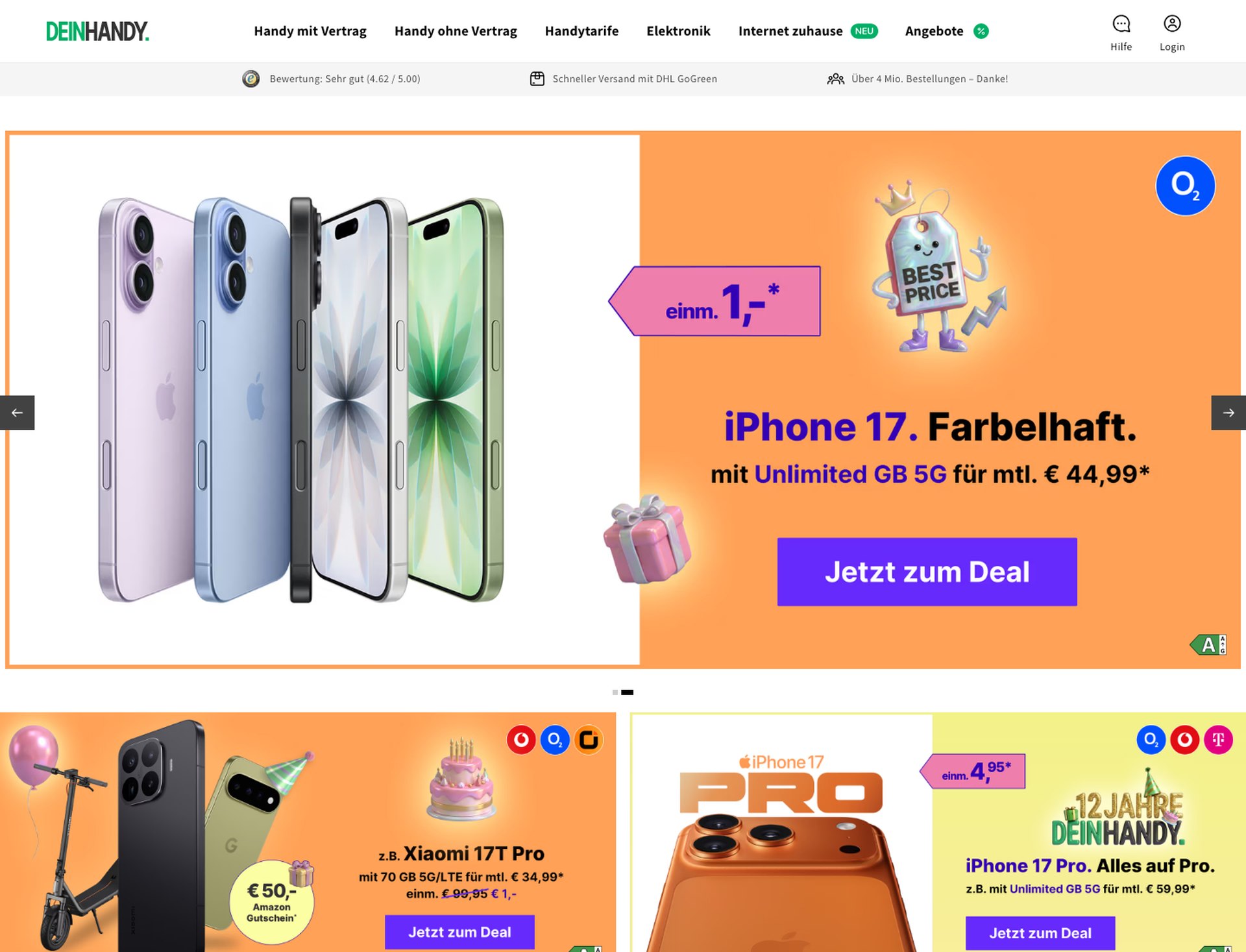
Shop redesign, checkout conversion, tools for service, the visual evolution of the brand. The screens are part of the story. The other part is a design culture that survived the growth.
Impact
Design as acknowledged leverage. A team that could continue without me.
What remained was not only a different product. It was a function: eight designers, a system, rituals that continued after I left. The company had grown from 7 to 120 people — design was part of that scale, not its bottleneck.
7 → 120
People during my tenure
0 → 8
Designers on the team
5
Years as Head of Design
Reflection
Keep
Plant culture without administering it. Partnership with business and tech at eye level.
Do differently
Defend system work against the day-to-day earlier. Otherwise it remains the second meeting forever.